Articles
Start Here: A Practical Student Computing Workflow
Begin with one working-log entry, then add four practical computing practices when they support a current need.
 Work You Can Explain
Practical AI, computing, and learning for students
Work You Can Explain
Practical AI, computing, and learning for students
term
Articles
Begin with one working-log entry, then add four practical computing practices when they support a current need.
Articles
Locate one original source and identify the section needed to investigate a research question.
Articles
Turn course information from a syllabus or LMS into a source-linked plain-text register of milestones, hard rules, open questions, and verification states.
Articles
A calm, evidence-first protocol for protecting files, assessing damage, and choosing the next recovery step when student work breaks near a deadline.
Articles
Create a chronological record that makes setup, troubleshooting, and AI-assisted work easier to understand and verify.
Articles
Resolve one reference to a matching work, record the version, and distinguish identity from content verification.
Articles
Use LMS alerts, clarify conflicting dates or instructions, and preserve simple evidence when a surprise course change causes a problem.
Articles
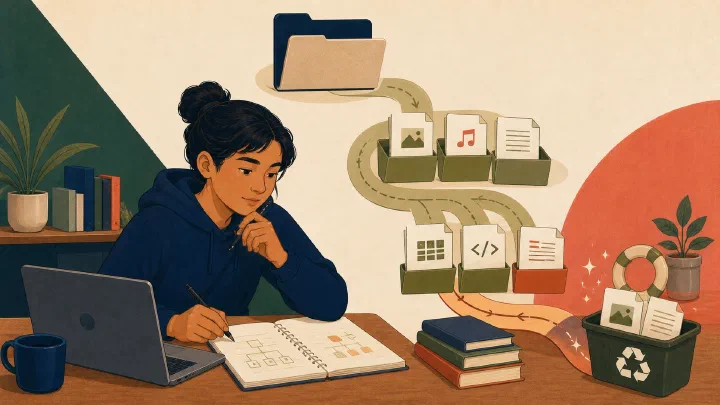
Route one course's downloads, notes, assignments, and source files into a small workspace without losing context or creating duplicate copies.
Articles
Define outcomes, constraints, non-goals, ownership, and evidence before selecting applications or configurations.
Articles
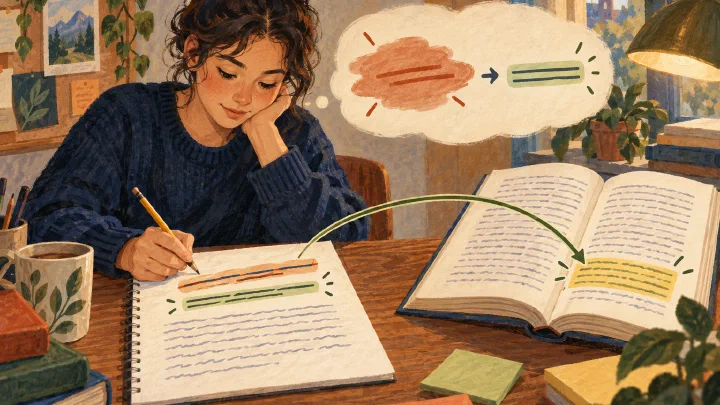
Revise one overbroad sentence and attach a precise source location and remaining limitation.
Articles
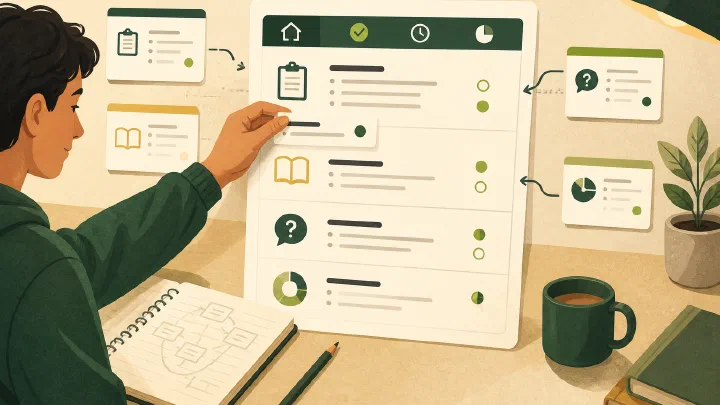
Create a small Markdown index for one course that connects source files, milestones, current status, open questions, and the next action.
Articles
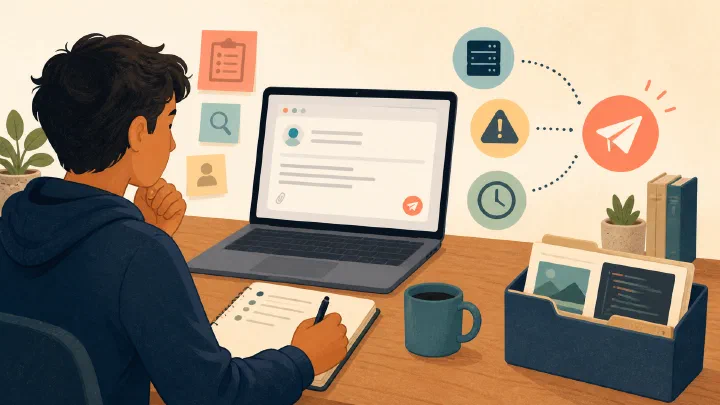
Write a short, honest, evidence-backed message when a technical problem may affect an assignment, deadline, or submission.
Articles
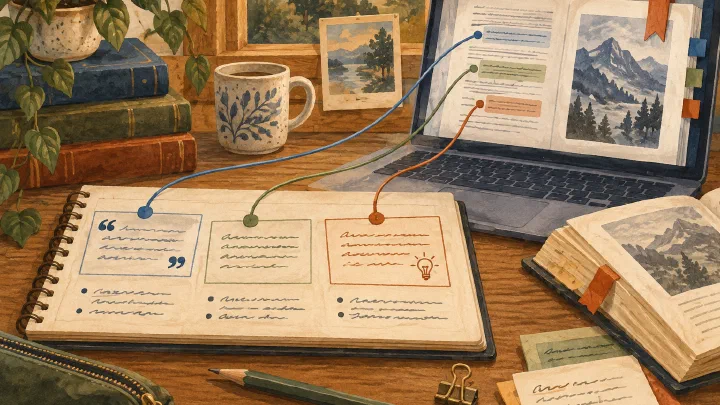
Reopen one source passage from a saved note and identify which text is quotation, paraphrase, or personal inference.
Articles
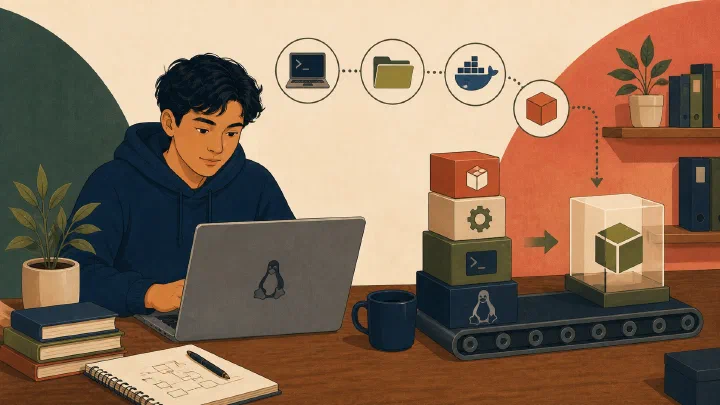
Create and test a secret-free Ubuntu 26.04 LTS setup repository with a curated package manifest, selected configuration, bootstrap steps, and read-only verification.
Articles
Learn the small set of Markdown syntax needed to write and verify a useful first README.
Articles
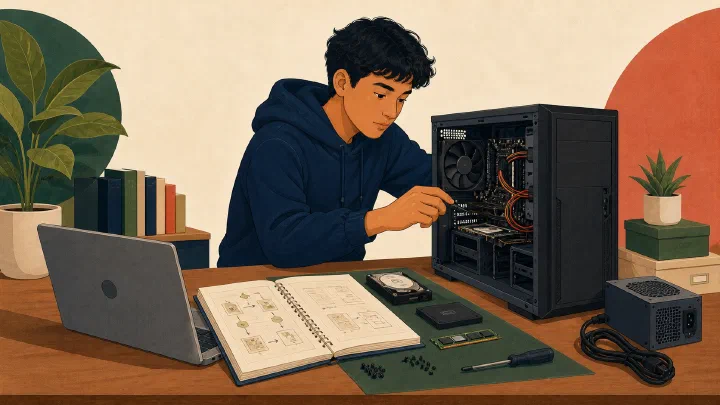
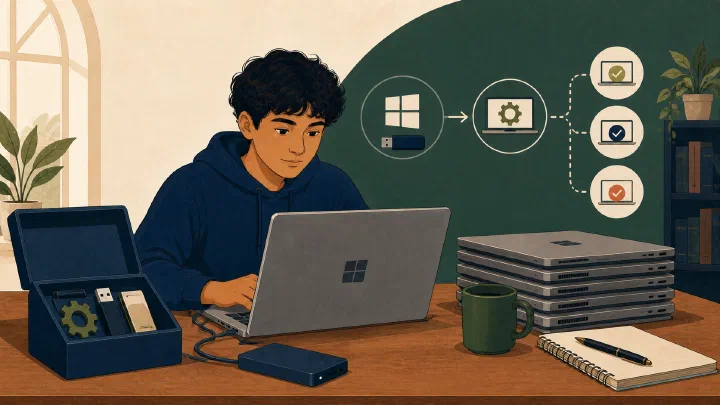
Rehearse Windows recovery safely with backups, manifests, setup documentation, and project repositories before any destructive reset.
Articles
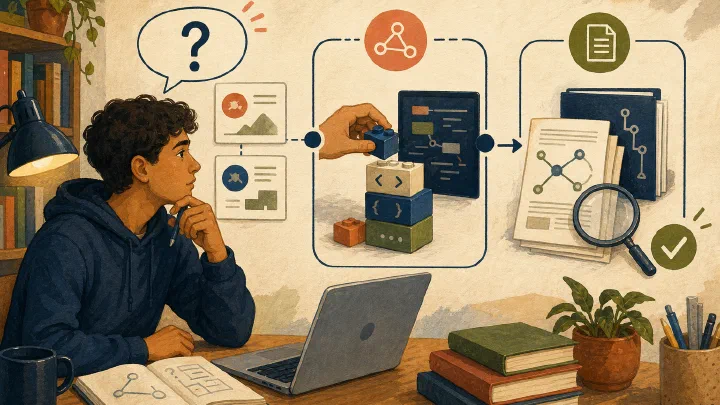
Use interpreters to discover questions, builders to find firsthand context, and primary evidence to reach a bounded conclusion about an AI claim.
Articles
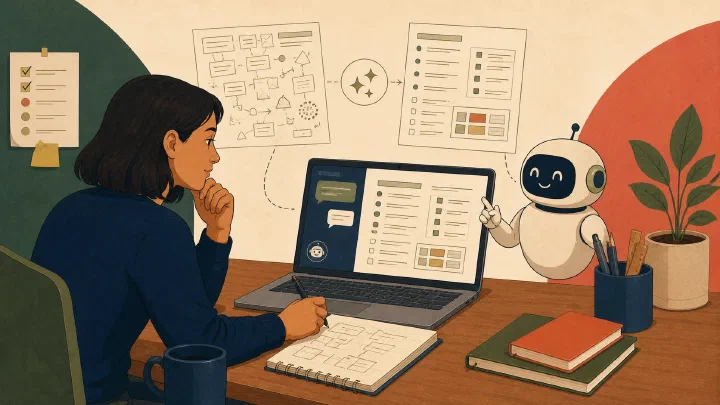
Turn a long template into a guided chatbot interview, answer one question at a time, and export a complete record without invented information.
Articles
Record Windows packages, configuration, setup steps, and verification in a versioned, secret-free environment repository.
Articles
Build a clear filesystem model by locating the same file in a graphical file manager and a terminal.
Articles
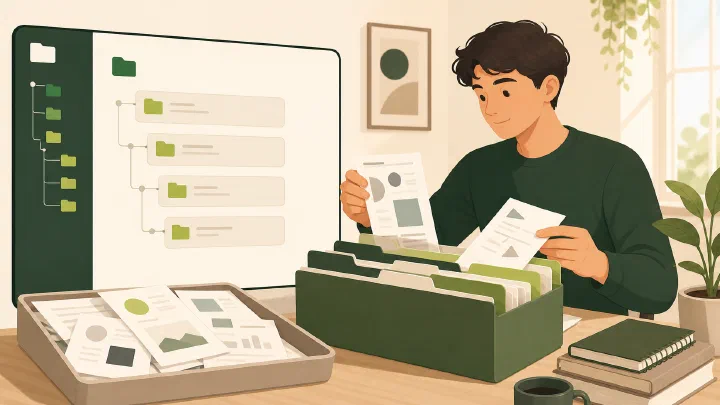
Create a simple academic folder structure organized by year, term, and course without adding unnecessary complexity.
Articles
Build a predictable filename convention and know when filenames, document history, or Git should manage revisions.
Articles
Use a command-discovery checklist to find local help, read usage notation, and verify unfamiliar options.
Articles
Create a small verified Git checkpoint with one logical change and a descriptive message.
Articles
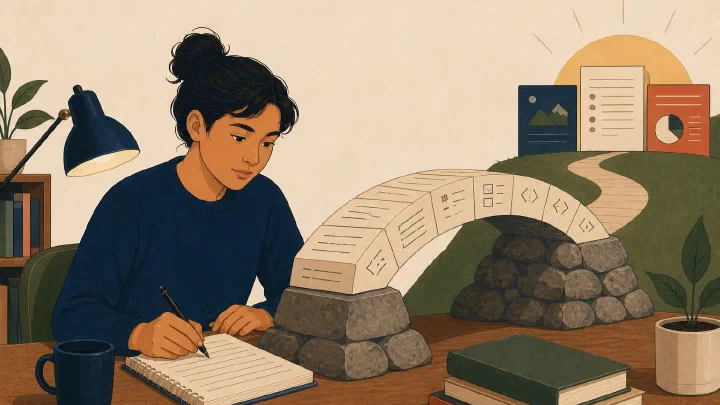
Write a project README that explains purpose, requirements, installation, running, testing, and verification.
Articles
Use a known–unknown–attempt record to preserve independent reasoning and ask AI a focused, verifiable question.
Articles
Recognize invented citations and APIs, sample-only code, hidden assumptions, and unnecessary complexity in AI output.
Articles
Capture a successful AI-assisted task as a durable record of the problem, reasoning, commands, risks, and verification.
Articles
Record durable repository conventions, commands, scope, and review expectations while keeping one-time requests in the prompt.
Articles
Organize source, tests, documentation, scripts, and examples in a small project skeleton that makes expected work easy to find.
Articles
Give a classmate, instructor, maintainer, or AI enough safe evidence to reproduce and investigate a failure.
Articles
Present a few projects through their problems, decisions, implementation, tests, evidence, credits, and honest reflection.
Articles
Archive course work, test recovery, review tools, update setup documentation, preserve repeated work, and select portfolio evidence.